

Ever had one of those moments where the sun hits your windshield just right and suddenly you’re squinting, leaning forward, and questioning every life decision that led you onto the road at that exact second? That blinding flash isn’t just annoying. It’s glare. And in 2026, there’s really no reason to put up with it anymore.
Enter polarized sunglasses the unsung heroes of eye comfort, safer driving, and effortless cool. They’re not just another fashion add-on tossed onto a summer lookbook. They’re a genuine upgrade to how you see the world, especially in a time when our eyes are more overworked than ever.
If you’ve ever wondered whether polarized sunglasses are actually worth the hype or if they’re just another buzzword brands love to slap onto price tags, you’re not alone. Let’s break it all down, magazine-style.
What Are Polarized Sunglasses and Why Is Everyone Suddenly Obsessed?
At first glance, polarized sunglasses look just like regular shades. Same frames, same tinted lenses, same effortless “I’ve got my life together” vibe. The magic, though, is happening at a level you can’t see.
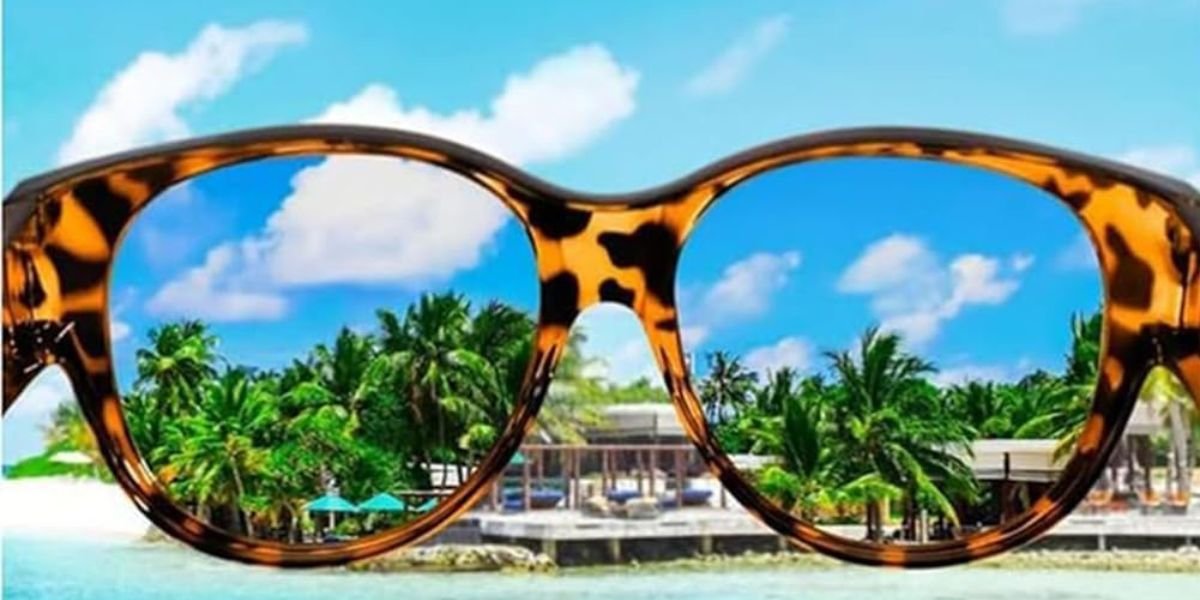
Polarized lenses are designed to filter out horizontal light waves, which are the main culprits behind glare. Think reflections bouncing off water, snow, glass buildings, or sun-bleached roads. Regular sunglasses darken everything equally. Polarized sunglasses are smarter — they selectively block the harsh stuff while keeping clarity intact.
That’s why people often describe the experience as “everything suddenly looks calmer.” Less squinting. Less eye fatigue. More contrast. More comfort.
In a world where we’re constantly switching between bright outdoor light and glowing screens, that difference matters more than ever.
Polarized vs Regular Sunglasses: What’s the Real Difference?
Let’s clear up one of the biggest misconceptions: not all dark lenses are created equal.
Regular sunglasses reduce brightness. That’s it. They don’t care how light hits your eyes they just dim the scene.
Polarized sunglasses, on the other hand, are designed to:
- Reduce harsh reflections
- Improve visual clarity
- Increase contrast
- Reduce eye strain during long wear
Picture this: You’re at the beach. With regular sunglasses, the ocean still sparkles aggressively. With polarized lenses, the glare softens, and suddenly you can actually see into the water instead of fighting reflections.
Once people experience that side-by-side difference, it’s hard to go back.
Why Polarized Sunglasses Feel Like a Must-Have in 2026
There’s a reason polarized sunglasses are everywhere right now, and it’s not just marketing.
Our Eyes Are Doing More Than Ever
Between phones, laptops, tablets, car dashboards, and endless LED lighting, our eyes are constantly adjusting. Add outdoor glare into the mix, and eye fatigue becomes unavoidable.
Polarized sunglasses act like a buffer, helping your eyes relax instead of constantly overcompensating.
Outdoor Lifestyles Are Back (and Louder Than Ever)
From road trips and staycations to beach holidays and hiking escapes, people are spending more time outside again. Polarized lenses simply make those moments more comfortable and safer.
Fashion Finally Met Function
For years, “functional” eyewear meant clunky designs. Not anymore. In 2026, polarized sunglasses come in sleek, trend-forward frames that look just as good on Instagram as they do behind the wheel.
Are Polarized Sunglasses Better for Driving?
Short answer? Absolutely.
Long answer: Driving is one of the biggest reasons people switch to polarized lenses and never look back.
Sun glare reflecting off roads, car hoods, and windscreens can reduce visibility at the worst possible moments. Polarized sunglasses cut through that reflection, giving you:
- Clearer vision
- Faster reaction times
- Less eye fatigue on long drives
UK drivers, in particular, deal with low sun angles during mornings and evenings, prime glare territory. Polarized lenses don’t just make driving more comfortable; they make it safer.
It’s not dramatic to say they can genuinely change how confident you feel behind the wheel.
Do Polarized Sunglasses Actually Protect Your Eyes?
Here’s where things get a little nuanced and important.
Polarization itself does not equal UV protection.
That’s a separate feature.
However, most quality polarized sunglasses also include 100% UV protection, which shields your eyes from harmful UVA and UVB rays. When shopping, always check for:
- “UV400”
- “100% UV protection”
When polarization and UV protection work together, you get:
- Less glare
- Less eye strain
- Reduced long-term eye damage risk
That combination is what makes polarized sunglasses more than just a comfort upgrade they’re a health-conscious choice.
More read: Ariana Grande’s Stunning ’60s Cat Eye and Pretty in Pink Era
When Polarized Sunglasses Might Not Be the Best Choice
No product is perfect, and polarized lenses do have a few niche drawbacks — which, honestly, makes them more trustworthy.
Polarized sunglasses can make certain LCD screens harder to read, including:
- Car dashboards
- ATM screens
- Some phone displays
Pilots and certain athletes also avoid them because glare can sometimes be useful in specialized environments.
For everyday wear, though? These limitations barely register, especially when weighed against the benefits.
How to Tell If Sunglasses Are Truly Polarized
With “polarized” slapped onto so many labels, knowing how to spot the real thing is key.
Here’s a simple test:
- Hold the sunglasses up to a reflective surface
- Tilt them slowly
- If the glare noticeably changes or disappears, they’re polarized
When buying online, look for:
- Clear polarization labeling
- Brand transparency
- Verified retailer listings
If a deal looks too good to be true, it usually is.
The Best Everyday Uses for Polarized Sunglasses
Polarized sunglasses shine (ironically) in situations where glare is unavoidable:
- Driving: Less stress, clearer roads
- Beach & holidays: Reduced water reflection
- Outdoor sports: Better contrast and depth perception
- City life: Glass buildings, pavements, and reflections everywhere
They’re one of those rare accessories that improve both style and daily comfort without demanding effort.
Are Polarized Sunglasses Worth the Price?
This is the question that stops people at checkout, and it’s a fair one.
Polarized sunglasses typically cost more than standard shades, but here’s the reality: you’re paying for comfort over time, not just aesthetics.
Think of it like upgrading from basic headphones to noise-cancelling ones. You don’t realize how much strain you were tolerating until it’s gone.
For many wearers, polarized sunglasses become less of an accessory and more of a daily essential, the kind you instinctively grab before leaving the house.
Frequently Asked Questions
Are polarized sunglasses better for your eyes?
Yes — especially when combined with full UV protection. They reduce eye strain and improve comfort.
Can you wear polarized sunglasses every day?
Absolutely. Many people do, especially for commuting and outdoor activities.
Do polarized sunglasses block UV rays?
Only if they’re labeled with UV protection. Always check.
Are polarized sunglasses good at night?
No. They’re designed for bright conditions and shouldn’t be worn after dark.
Do polarized lenses wear out?
With proper care, they last years. Scratches and poor storage are the biggest enemies.
Final Thoughts: Are Polarized Sunglasses Right for You?
If glare annoys you, if long drives leave your eyes tired, or if you simply want clearer, calmer vision, polarized sunglasses are one of those upgrades that quietly improve everyday life.
They don’t scream for attention. They just work.
And once you experience the difference, it’s hard not to wonder why you waited so long.