

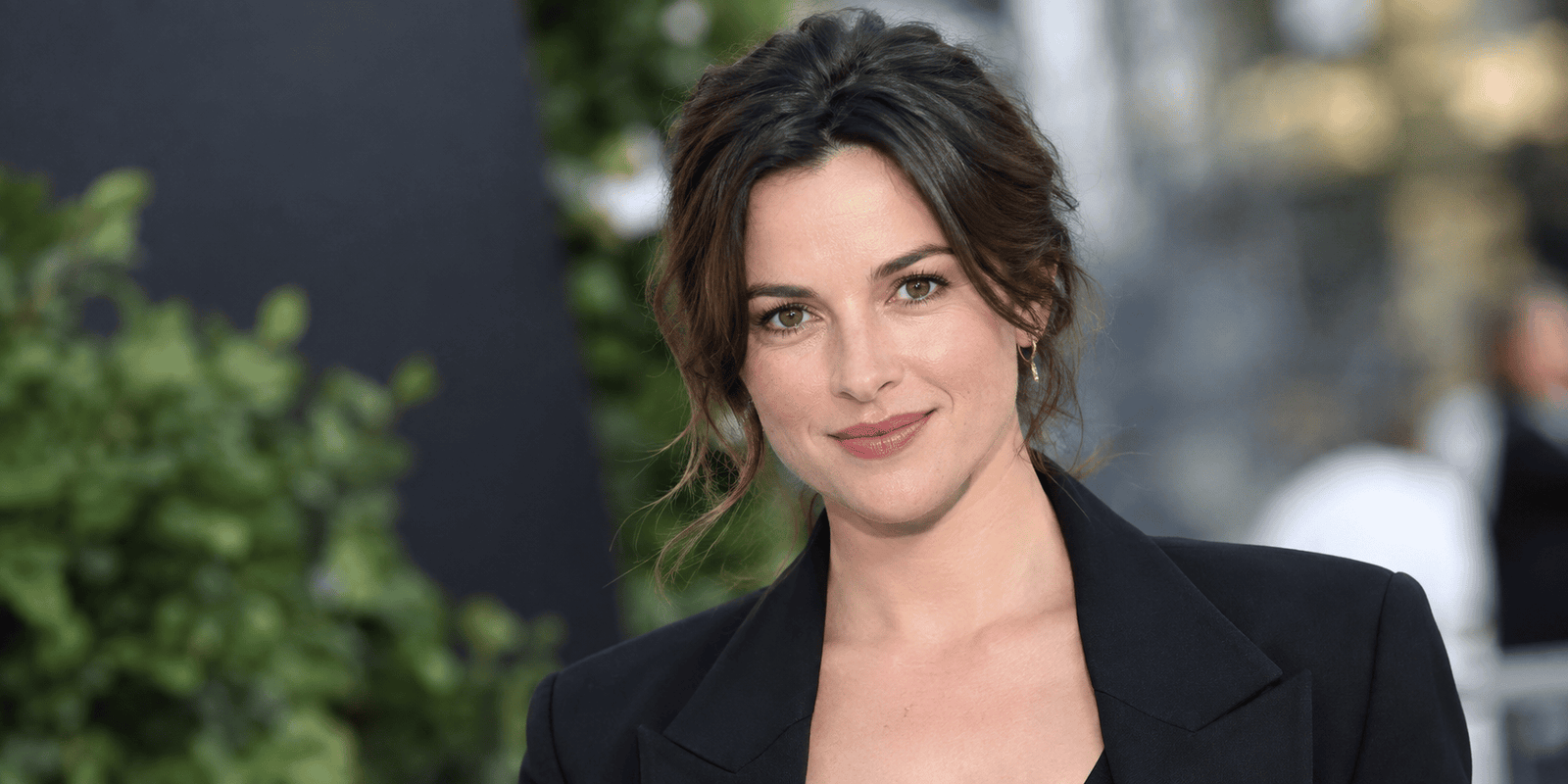
Amelia Warner has built one of the more unusual career arcs in the entertainment industry — starting out in front of the camera as an actress before completely reinventing herself as a celebrated neo-classical composer. Today, she’s recognized as one of the UK’s most compelling voices in film scoring, known for orchestral work that blends emotional depth with subtle electronic textures.
Early Life and Background
Born Amelia Catherine Bennett on June 4, 1982, in Birkenhead, England, Warner grew up in Notting Hill, West London. Music was present from childhood — she spent hours at the family piano inventing melodies, despite never pursuing formal classical training in a traditional sense. Her first real composition came at just 15 years old, written for a school soap-opera project, though it would be many years before the world heard her instrumental work in any serious capacity.
Her mother, Annette Ekblom, was also in the entertainment industry, and following that path, Warner’s first career was as an actress rather than a musician.
An Acting Career First
Before turning to composition, Warner built a respectable acting résumé, appearing in films including Quills (2000) and Aeon Flux (2005). By her own account, though, she came to realize she was, in her words, on “the wrong side of the storytelling process” — a realization that eventually pulled her away from performing and toward the composing side of filmmaking.
During this period, Warner also released music under the stage name Slow Moving Millie, an earlier chapter of her musical identity before she fully transitioned into scoring.
Building a Composing Career
Warner’s real entry into film composition came through the British short film Mam, a project that won several awards on the festival circuit and opened the door to her first feature film score: 2016’s Mum’s List, starring Rafe Spall and Emilia Fox.
From there, her scoring work expanded steadily:
- Mary Shelley (2018), directed by Haifaa al-Mansour and starring Elle Fanning, featured what’s been described as an otherworldly score built around orchestral textures haunted by ethereal female vocals.
- Wild Mountain Thyme (2020), directed by John Patrick Shanley, included an original song titled “I’ll Be Singing,” co-written by Warner and Shanley and performed by Sinéad O’Connor.
- Mr. Malcolm’s List (2022) featured a contemporary classical score, including a love theme used to choreograph a grand ballroom sequence in the film.
- Young Woman and the Sea (2024), a Jerry Bruckheimer-produced Disney film starring Daisy Ridley, became one of her biggest career milestones — the score earned widespread acclaim and secured a place on the Academy Awards shortlist for Best Original Score.
Solo Music and Recognition
Beyond film work, Warner has built a solo recording career under her own name, releasing classical EPs including Arms (2015), Visitors (2017), and Haven (2020) — all three of which reached number one on the iTunes classical album charts.
In 2026, Warner released her long-awaited solo studio album, Halcyon, produced by British musician Sam Roots and released through Vertigo/Abbey Road Recordings. The album marked her return as a solo artist outside of her film-scoring work, following the acclaim of Young Woman and the Sea.
Her accolades include being named Breakthrough Composer of the Year at the International Film Music Critics Association (IFMCA) Awards, along with nominations from the World Soundtrack Awards, the ASCAP Composers’ Choice Awards, and Hollywood Music in Media Awards.
Personal Life
Warner has been married to actor Jamie Dornan since 2013, and the couple shares children together, including a daughter named Alberta.
A Career Defined by Reinvention
What makes Warner’s story stand out isn’t just the quality of her compositions — it’s the completeness of her pivot from acting to composing, and how thoroughly she’s succeeded on the other side of the camera. From an early, quiet love of inventing piano melodies to scoring a film that reached the Academy Awards shortlist, her career reflects a genuine second act built on artistic instinct rather than industry momentum alone.
Further reading: